
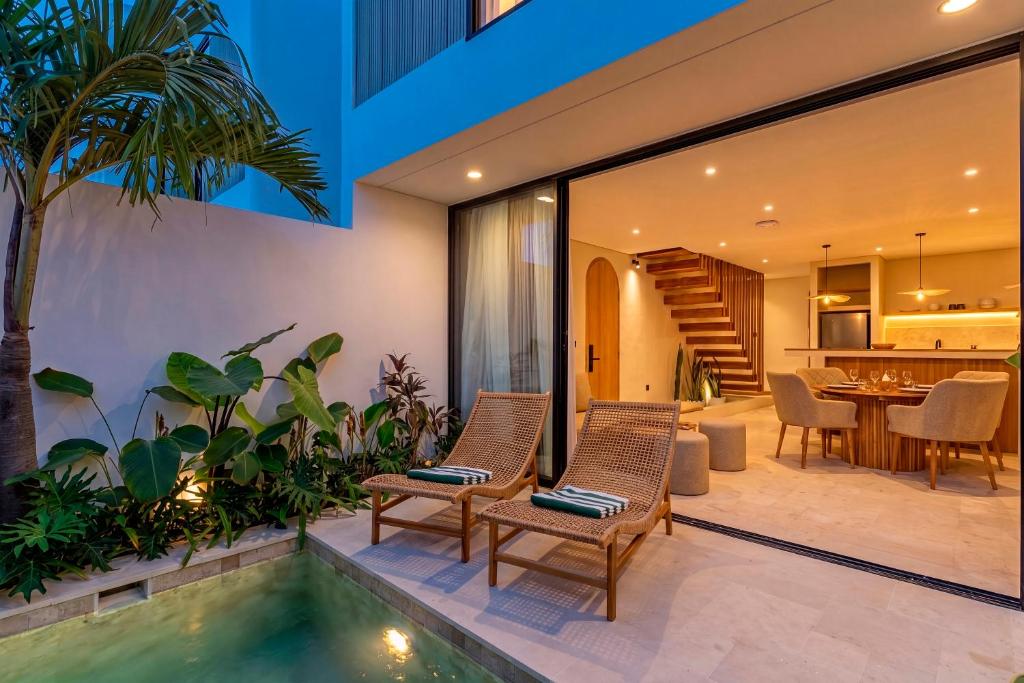
A family pool has to work hard. It must keep young children safe, entertain teenagers, and still suit adults who want a quiet swim. Aquarius Pools in Melbourne plans backyard pools around real family routines. Moreover, thoughtful design choices make the space useful for many years. This article outlines practical ideas for households of every age.
Key Takeaways
- Safety comes first, with compliant fencing, self-closing gates, and clear sight lines from the house.
- Shallow zones and swim ledges give young children a secure place to play.
- A depth range of about 1 to 1.8 metres suits mixed-age households.
- Non-slip surfaces and rounded edges reduce injury risk around the water.
- Shade structures, seating, and outdoor kitchens turn the pool area into a family hub.
- Heating and covers extend the swimming season through Melbourne’s cooler months.
- Durable finishes and simple equipment reduce long-term maintenance.
- Good family pool design in Melbourne plans for children as they grow, not only for today.
Starting With Family Needs
Every household uses a pool differently. Some families want splash time for toddlers, whereas others need space for lap training or games. Therefore, the first step is a frank list of who will use the pool and how.
Age ranges matter most. A pool for a five-year-old and a fifteen-year-old needs flexible depth and plenty of room. In addition, a clear brief helps the designer balance fun, safety, and budget from the beginning.
Safety Features That Matter Most
Victorian law requires a compliant barrier around every pool. Gates must self-close and self-latch, and the fence must reach the required height. Furthermore, nothing climbable should sit near the barrier.
Layout can add another layer of protection. Place the pool where parents can watch from the kitchen or living area. Indeed, clear sight lines make supervision easier. Nothing replaces active adult attention, but good design supports it.
Shallow Zones and Swim Ledges
A tanning ledge or wading area gives small children a safe place to sit and splash. It usually sits about 30 to 40 centimetres below the surface. As a result, toddlers can play with adult supervision close by.
Older children benefit too. They can lounge on the ledge with friends while others swim in deeper water. Not only does a ledge add comfort, but it also encourages everyone to share the same space.
Depth Planning for Mixed Ages
A pool that is too shallow limits diving and games. One that is too deep worries parents of young swimmers. For most families, a gradual slope from about 1 metre to 1.8 metres works well.
Some designs include a step-down or a bench at mid-depth. Specifically, this feature gives tired swimmers a place to rest. It also helps children build confidence as they learn to swim.
Surfaces and Edges That Reduce Risk
Wet pavers can turn slippery fast. Textured, non-slip surfaces around the pool help prevent falls. For example, sandstone, bluestone, and certain tiles offer good grip.
Rounded coping and smooth edges also matter. Children run, jump, and tumble near the water. Consequently, soft corners and even surfaces lower the chance of scrapes and bruises.
Shade, Seating, and Cooling Zones
Melbourne summers can bring strong sun. A shade sail, pergola, or large umbrella protects skin and keeps the area comfortable. Additionally, trees and tall shrubs can offer natural cover.
Seating near the water lets adults relax while watching children. Built-in benches, daybeds, and low walls all work well. In particular, a shaded corner near the pool gives toddlers a break from the heat.
Play Features and Entertainment
Families often add features to keep children engaged. Small waterfalls, in-pool basketball hoops, and sprayers bring energy without taking much room. However, each feature needs safe placement and proper installation.
Teenagers may prefer a spa seat or a lounge zone with speakers and lighting. Moreover, a nearby outdoor kitchen turns the pool into a gathering spot for birthdays and weekends. Balance matters, so choose features that match the household.
Extending the Swimming Season
Melbourne’s cooler months can shorten the swimming window. A heat pump, gas heater, or solar system helps keep water comfortable. Meanwhile, a thermal cover cuts heat loss overnight.
Wind protection also makes a difference. Screens, hedges, and walls can reduce chill around the pool. As a result, families use the space for more months of the year without large energy bills.
Low-Maintenance Choices for Busy Households
Busy parents rarely want extra chores. Automatic cleaners, salt chlorinators, and smart controllers keep the water balanced with less effort. In addition, durable interior finishes resist stains and wear.
Simple equipment is easier to service. Fewer moving parts mean fewer breakdowns. Therefore, a practical specification often beats a complicated one for families who value time above all.
Planning for Growing Children
Needs shift quickly as children age. A shallow play area today may become a lounging spot in a few years. Likewise, toddlers soon turn into confident swimmers who want deeper water.
Flexible designs adapt well to those changes. Features such as removable fencing sections, adjustable lighting, and open deck areas let owners update the space over time. Indeed, a pool that grows with the family offers the best long-term value.