
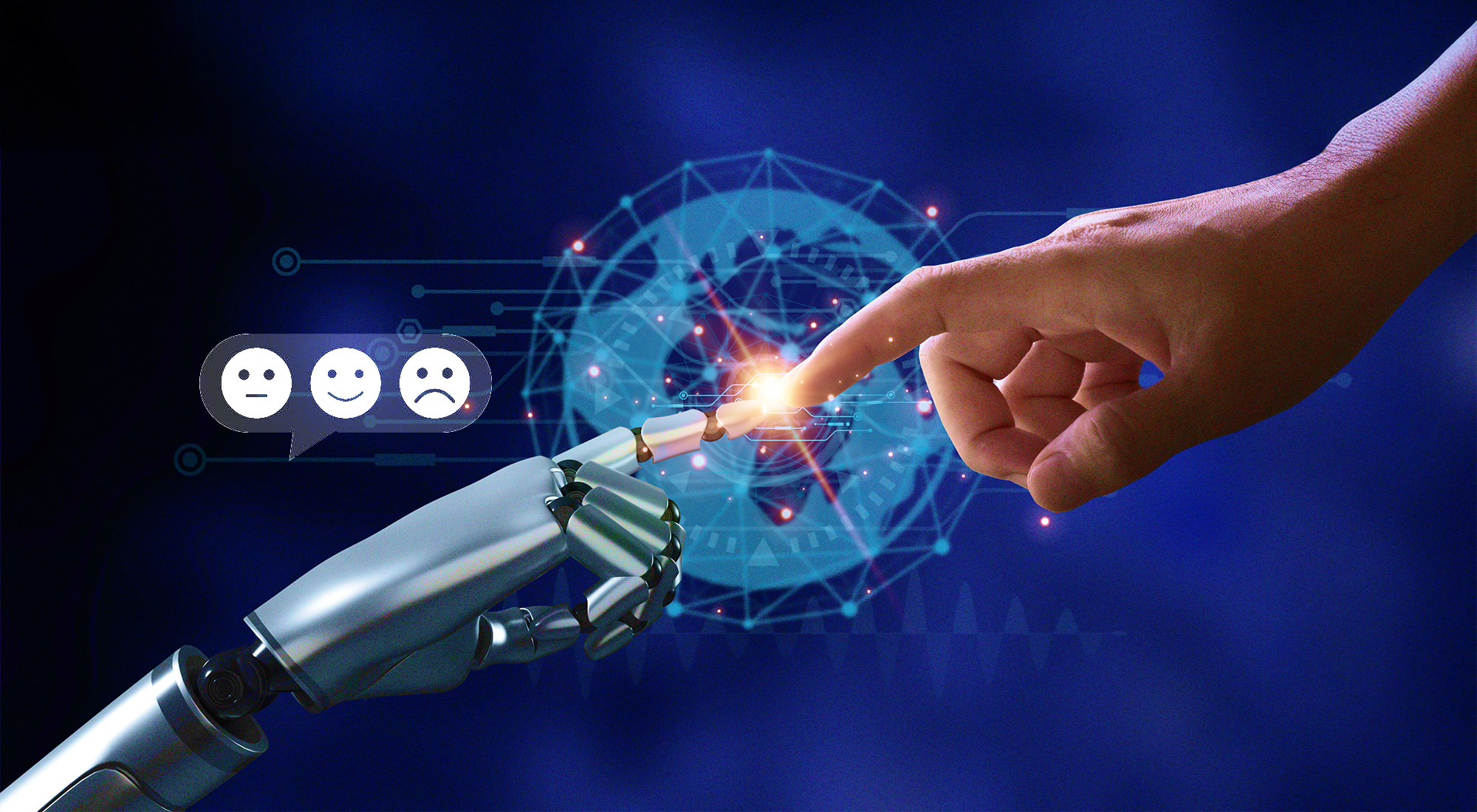
The Heartbeat Hidden Behind the Interface
Emotional latency is the invisible pause between what a user feels and how an AI system responds to that feeling. It is not measured in milliseconds but in moments of misunderstanding. To avoid textbook explanations of technology, imagine AI as a musical duet partner. The human sings a note shaped by emotion, and the AI must match its pitch instantly. If the AI pauses or chooses the wrong tone, the melody breaks. This break is emotional latency, and it is fast becoming one of the most critical frontiers in user experience design.
As organisations prepare teams to build emotionally sensitive systems, many professionals pursue structured learning through a generative AI course in Hyderabad to understand how behavioural signals and sentiment cues influence interactive models.
The Silent Gap Where Trust Lives or Dies
Every interaction between a person and an AI system contains a subtle emotional negotiation. When a user expresses frustration, curiosity or excitement, the system has to recognise these states and respond with nuance. If the system reacts too slowly or misinterprets the emotional signal, the user senses distance. This is the silent gap where trust either strengthens or dissolves.
Emotional latency often becomes visible in customer service bots that fail to read irritation or in smart assistants that treat urgency as casual conversation. Users do not articulate their disappointment in technical terms. They simply feel the disconnect and lose patience. The next generation of designers and technologists must learn to minimize this gap, and many pursue a generative AI course in Hyderabad to understand how emotional intelligence can be translated into model behaviour.
Designing AI that Listens Between the Lines
AI does not need a human-like heart to understand emotion. What it needs is the ability to listen between the lines. Emotional latency decreases dramatically when AI systems can detect patterns that represent human feelings. Tone variations in voice, shifting rhythms in typing, abrupt changes in phrasing and subtle behavioural cues all paint a portrait of emotional state.
Design teams build models that treat each conversation as a dynamic canvas where user intention evolves. Reducing emotional latency means teaching AI to follow this evolving painting stroke by stroke. The process depends heavily on the training data, reinforcement signals and contextual understanding embedded into the system. Small improvements in emotional mapping can transform mechanical interactions into meaningful exchanges that feel intuitive rather than scripted.
When Latency Shapes Behaviour and Experience
Emotional latency is not just a design flaw. It actively shapes human behaviour. When an AI system responds thoughtfully, people engage more deeply, disclose more information and explore features more confidently. When the system hesitates or misreads emotion, users withdraw. The experience becomes defensive instead of collaborative.
Consider a healthcare application guiding a patient through a stressful process. If the AI senses rising anxiety and adjusts its tone, clarity and pace, the user feels supported. If the system continues mechanically, emotional latency widens the gap between user need and model response. Businesses across industries now realise that the quality of these emotional transitions determines the perceived intelligence of their systems. The more seamless the transition, the more human the experience feels.
The UX Battle Ahead: Reducing the Emotional Distance
As AI permeates everyday interactions, emotional latency will differentiate great systems from average ones. The battle is not about speed but synchronisation. Users want AI that understands context, reads tension, senses relief and adapts quickly. Achieving this requires interdisciplinary collaboration involving behavioural psychology, computational modelling and interface design.
Teams now create emotional performance metrics that go beyond accuracy. They measure empathy alignment, conversational fluidity and emotional drift. These metrics help define standards for what emotionally aware AI should deliver. Over time, emotional latency will become as unacceptable as buffering in a video stream. Users will expect emotional immediacy, and the systems that fail to provide it will be replaced by ones that can.
Conclusion: The Future Belongs to Systems That Feel the Moment
Emotional latency marks the crossroads where technology meets humanity. In earlier eras, user experience revolved around practicality and efficiency. But as AI evolves, the emotional dimension is becoming impossible to ignore. The next generation of digital experiences will be shaped by systems that do more than respond. They will anticipate, adapt and resonate.
Creating these systems demands more than technical skill. It requires an understanding of how humans communicate emotions subtly and how machines can interpret those cues meaningfully. Organisations that embrace this frontier will unlock deeper engagement, stronger trust and richer interactions. Emotional latency is not just a UX challenge. It is the defining signature of future human–AI relationships, where intelligence is measured not only by accuracy but by connection.